
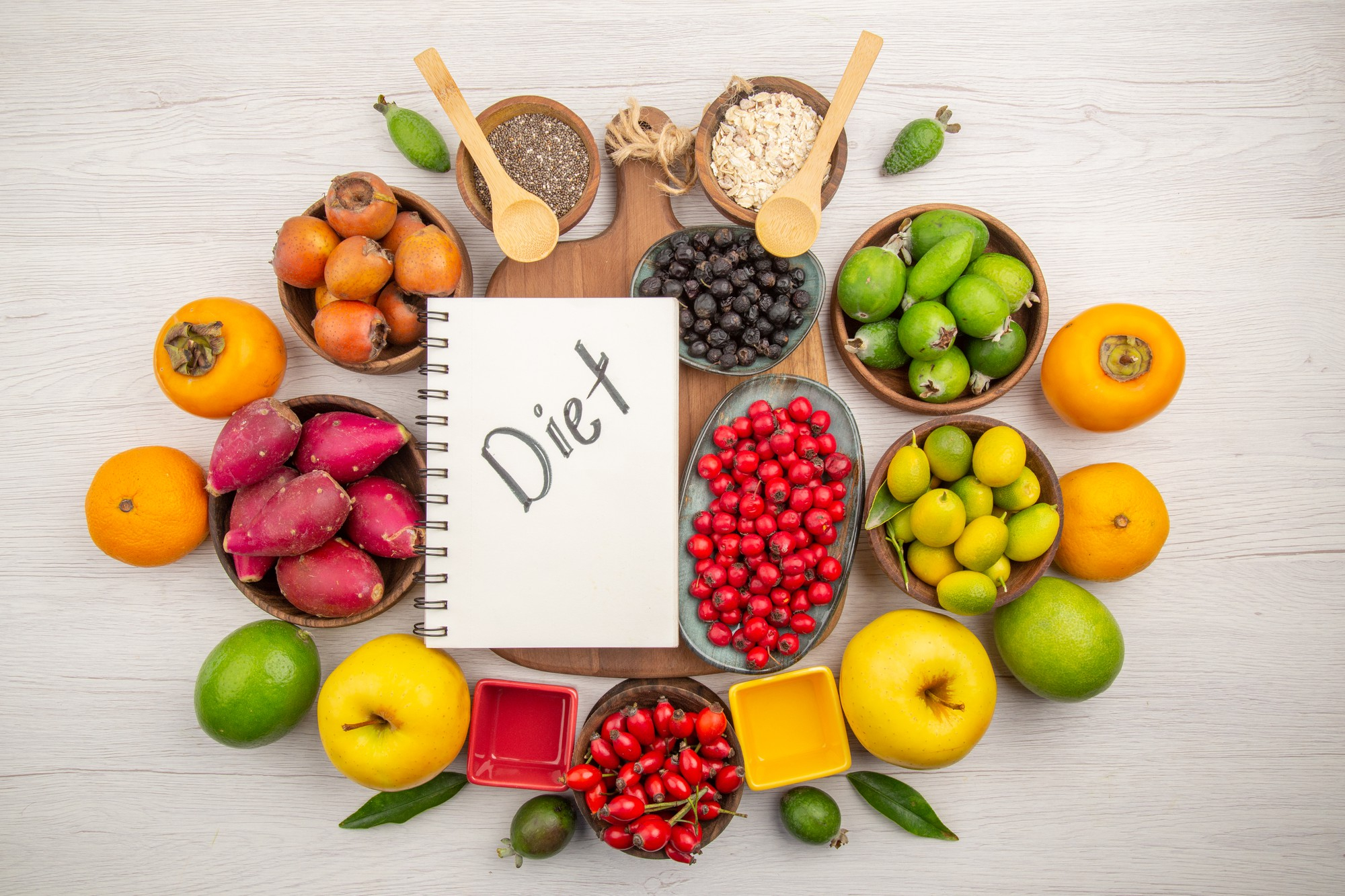
The Silent Fire Inside You
You wake up one morning feeling tired, bloated, and achy. You’ve had a good night’s sleep, yet your energy is low, and your body feels heavy. This isn’t just fatigue — it’s your body’s way of signaling inflammation.
Most people think inflammation only happens when you get injured — like a swollen ankle or a sore throat. But inside your body, there’s another type: chronic inflammation, a slow-burning fire that damages cells, disrupts hormones, and increases your risk of diseases such as heart disease, arthritis, and diabetes.
The good news? You have more control than you think. By reducing inflammation through diet, you can help your body restore balance, reduce pain, and boost vitality — starting right from your kitchen.
Table of Contents
This beginner’s guide walks you through the science, the foods to eat (and avoid), and simple steps to make anti-inflammatory eating a lifelong habit.
What Is Inflammation and Why It Matters
The Science Behind Inflammation
Inflammation is your body’s natural defense system. When you get injured or sick, your immune system releases white blood cells to fight off harmful invaders. That’s acute inflammation, and it’s helpful.
But when inflammation lingers long after the threat is gone, it turns chronic. That’s when trouble begins. Chronic inflammation has been linked to:
- Heart disease
- Type 2 diabetes
- Alzheimer’s disease
- Arthritis and joint pain
- Autoimmune disorders
According to Harvard Health Publishing, chronic inflammation can silently affect your body for years — often triggered by poor diet, stress, and lifestyle choices.
How Your Diet Triggers or Tames Inflammation
Every bite you take sends a chemical message to your body. Highly processed foods, refined sugars, and trans fats send a signal of stress and damage, fueling inflammation.
On the other hand, whole, nutrient-rich foods do the opposite — they cool the fire with antioxidants, vitamins, and omega-3 fatty acids.
By changing what’s on your plate, you give your immune system the raw materials it needs to protect you, not harm you.
Signs You Might Have Chronic Inflammation
Chronic inflammation often goes unnoticed until symptoms become disruptive. Here are a few early warning signs to watch for:
- Persistent fatigue or sluggishness
- Brain fog or trouble focusing
- Joint stiffness or pain
- Bloating, gas, or digestive issues
- Frequent skin breakouts or rashes
- Difficulty losing weight
If several of these sound familiar, it may be time to look at your eating habits and daily lifestyle.
Disclaimer: This article is for informational purposes only and should not replace professional medical advice. Always consult your healthcare provider before making significant dietary changes.
The Best Foods for Reducing Inflammation Through Diet
Certain foods are rich in compounds that actively reduce inflammation. Adding these regularly can make a noticeable difference in how you feel.
Table: Top Anti-Inflammatory Foods
| Food Group | Examples | Key Nutrients | Benefits |
|---|---|---|---|
| Fruits | Berries, cherries, oranges | Vitamin C, flavonoids | Neutralize free radicals |
| Vegetables | Kale, spinach, broccoli | Carotenoids, sulforaphane | Strengthen immune response |
| Healthy fats | Olive oil, avocados, nuts | Omega-3, monounsaturated fats | Support heart and brain health |
| Whole grains | Oats, quinoa, brown rice | Fiber, antioxidants | Balance blood sugar levels |
| Spices | Turmeric, ginger, garlic | Curcumin, allicin | Reduce swelling and pain |
Including these foods daily helps your body regulate inflammation naturally and supports long-term wellness.
Foods That Fuel Inflammation (What to Avoid)
While healthy foods cool the fire, certain ingredients pour gasoline on it. These are the foods that silently contribute to inflammation and chronic disease.
Avoid or Limit These Inflammatory Foods
- Refined sugars and sweetened beverages – Spikes blood sugar, causing oxidative stress.
- Trans fats – Found in fried foods, margarine, and packaged snacks.
- Processed meats – Sausages, hot dogs, and bacon contain nitrates that trigger inflammation.
- Refined carbs – White bread, pastries, and pasta lead to blood sugar swings.
- Excess alcohol – Overconsumption damages liver cells and increases inflammatory markers.
Studies from the National Institutes of Health (NIH) confirm that diets high in refined and processed foods elevate C-reactive protein (CRP) levels — a key marker of inflammation.
Simple Steps to Start Reducing Inflammation Through Diet
Making dietary changes doesn’t mean overhauling your entire lifestyle overnight. Start small, be consistent, and focus on progress — not perfection.
A Simple 5-Step Plan for Beginners
- Fill half your plate with vegetables.
Choose bright, colorful veggies like spinach, carrots, and peppers. - Swap refined carbs for whole grains.
Replace white rice with quinoa or brown rice. - Embrace healthy fats.
Use extra virgin olive oil instead of butter; snack on almonds instead of chips. - Add omega-3 rich foods.
Include fatty fish like salmon or plant-based options like chia seeds. - Stay hydrated with anti-inflammatory drinks.
Sip green tea, turmeric tea, or water infused with lemon and cucumber.
Example 1-Day Anti-Inflammatory Meal Plan
| Meal | Menu Example |
|---|---|
| Breakfast | Oatmeal with blueberries, chia seeds, and honey drizzle |
| Lunch | Grilled salmon, quinoa salad, and steamed broccoli |
| Snack | A handful of walnuts and green tea |
| Dinner | Lentil curry with spinach, turmeric, and brown rice |
| Dessert | Dark chocolate (70%+) and fresh berries |
This plan is rich in fiber, antioxidants, and healthy fats — helping your body reduce inflammation and stay energized throughout the day.
Lifestyle Habits That Support an Anti-Inflammatory Diet
Food is just one piece of the puzzle. Your lifestyle also plays a key role in regulating inflammation.
Complementary Habits That Amplify Your Results
- Move your body regularly: Aim for 30 minutes of walking, yoga, or light exercise daily.
- Get quality sleep: Your body heals and regulates inflammation while you rest.
- Manage stress: Practice deep breathing, mindfulness, or journaling.
- Avoid smoking and limit alcohol: Both promote oxidative stress and weaken immunity.
Remember, every small change adds up. The goal is to build sustainable habits that nurture your body’s natural healing process.
FAQ : Reducing Inflammation Through Diet
Can you really reduce inflammation through diet alone?
Yes, scientific studies show that eating nutrient-dense, plant-forward foods can significantly lower inflammation markers. However, combining diet with regular exercise and proper sleep gives the best results.
How long does it take to see results?
Most people notice improvements within 2–6 weeks, especially in energy levels, digestion, and joint comfort.
Do I need supplements to fight inflammation?
In most cases, food is enough. But if your diet lacks omega-3s or vitamin D, supplements may help — always talk to your healthcare provider first.
What’s the difference between an anti-inflammatory diet and the Mediterranean diet?
They overlap significantly. Both focus on fruits, vegetables, whole grains, healthy fats, and lean proteins. The Mediterranean diet is one of the most research-backed anti-inflammatory eating styles in the world.
Take the First Step Toward a Healthier, Calmer Body
Reducing inflammation through diet isn’t about restriction — it’s about restoring balance. Every healthy choice you make helps your body rebuild from the inside out.
Start by adding one anti-inflammatory food to your meals today. Replace sugar-laden snacks with a handful of nuts, swap soda for green tea, and choose colorful produce whenever possible.
Within weeks, you’ll feel the difference — more energy, less discomfort, and a renewed sense of control over your health.